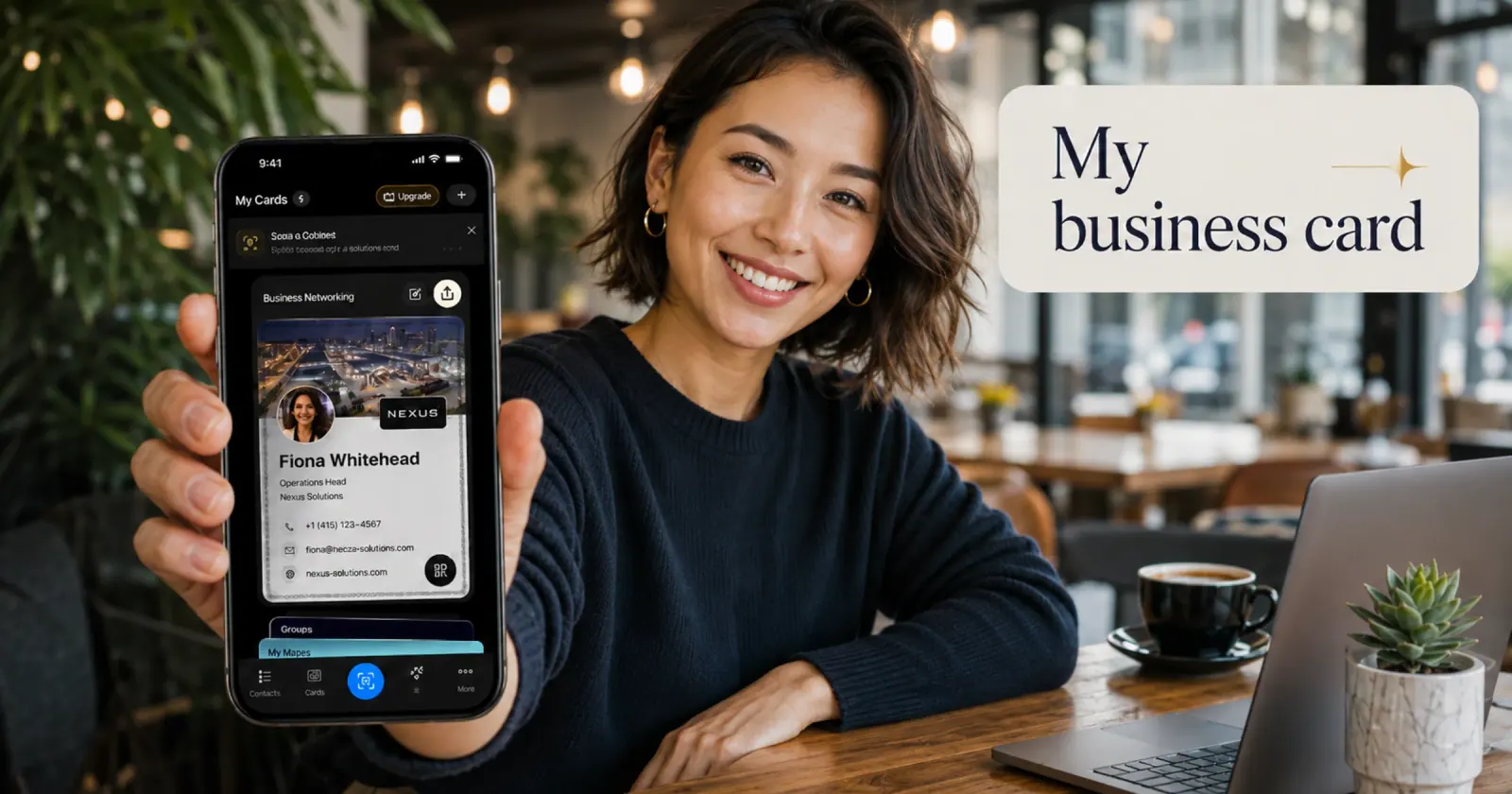
Короткий ответ: да, визитка по-прежнему актуальна, потому что задача, которую она решает, никуда не делась. Двое профессионалов знакомятся, разговор складывается, и им нужен быстрый и необременительный способ остаться на связи друг с другом. Такой момент случается миллионы раз в день, и ему по-прежнему нужно решение.
Изменился носитель. Около 88 % бумажных визиток выбрасывают в течение недели, 63 % полученных карточек так и не попадают ни в одну адресную книгу, а годы пандемии окончательно закрепили привычку к бесконтактному обмену. Ритуал выжил; картон, по большей части, нет.
Поэтому полезно спрашивать не о том, умерли ли визитки. Полезнее понять, какая форма обмена подходит 2026 году, где бумага действительно уместна и что стоит носить с собой лично вам. Вот честный разбор.
Аргументы в пользу того, что визитки мертвы
У авторов некролога есть реальные доводы. Большинство переданных бумажных визиток не приводят ни к чему: их вежливо убирают в карман, а потом выбрасывают, и даже сохранённые редко превращаются в запись в контактах. LinkedIn закрывает сценарий «найти человека позже». Подпись в письме несёт ваши данные в каждом сообщении. А целое поколение специалистов построило карьеру, ни разу не заказав тираж печати.
Всё это правда, и всё это аргументы против бумаги как носителя, а не против самого обмена. Никто не проходит по залу конференции и не делает вывод, что люди больше не хотят получать контакты друг друга. Хотят как никогда. Просто всё чаще отказываются перепечатывать их с прямоугольника размером девять сантиметров.
Аргументы в пользу того, что обмен важен как никогда
Три вещи сохраняют обмен визитками как ритуал, каким бы ни был носитель.
Момент знакомства невозможно переиграть
Контакты, которыми обмениваются прямо в разговоре, пока контекст и расположение собеседника на пике, превращаются в реальную связь гораздо чаще, чем запрос в LinkedIn на следующий день на наполовину забытое имя.
Не все живут на одной платформе
LinkedIn требует, чтобы там были активны оба человека. Обмен визитками работает поверх платформ, поколений и отраслей: от технологических основателей до риелторов и мастеров рабочих профессий.
У жеста есть смысл
Протягивая свою визитку в любом виде, вы показываете, что разговор был вам важен. Эта социальная функция не исчезла, когда носитель стал цифровым. QR-код, показанный с тем же намерением, это тот же жест, только с гораздо лучшим результатом.
Где бумажная визитка по-прежнему действительно уместна
- Деловая культура Восточной Азии, где обмен визитками двумя руками остаётся формальным ритуалом, а прийти без них значит выглядеть неподготовленным.
- Встречи топ-менеджмента и дипломатические форматы, где печатные материалы говорят о подготовке.
- Люкс, ремесло и дизайн, где физическая карточка сама по себе образец продукта.
- Мероприятия и аудитории, где смартфонов нет, они неуместны или непрактичны.
- Как носитель QR-кода: небольшой тираж с кодом вашей цифровой визитки закрывает все перечисленные выше сценарии и при этом превращает получателя в сохранённый контакт.
Именно последний случай стоит продумать заранее. Если код будет жить на бумаге, отпечаток должен выдержать реальное сканирование, и только потом начинают что-то значить решения по дизайну. Это вопрос подбора размера QR-кода для печати, а не вкуса.
Чувство обстановки
Подбирайте носитель под обстановку
Актуальность в 2026 году ситуативна. Профессиональная ошибка не в том, чтобы носить бумагу или уйти в цифру. Она в том, чтобы принести не тот формат туда, где ждут другой.
Установите напоминание, пока разговор еще свеж в памяти.
Что заменило бумагу во всех остальных случаях
На обычных деловых встречах, а таких большинство, обмен теперь происходит в цифровом виде, и стоит уточнить, что именно победило.
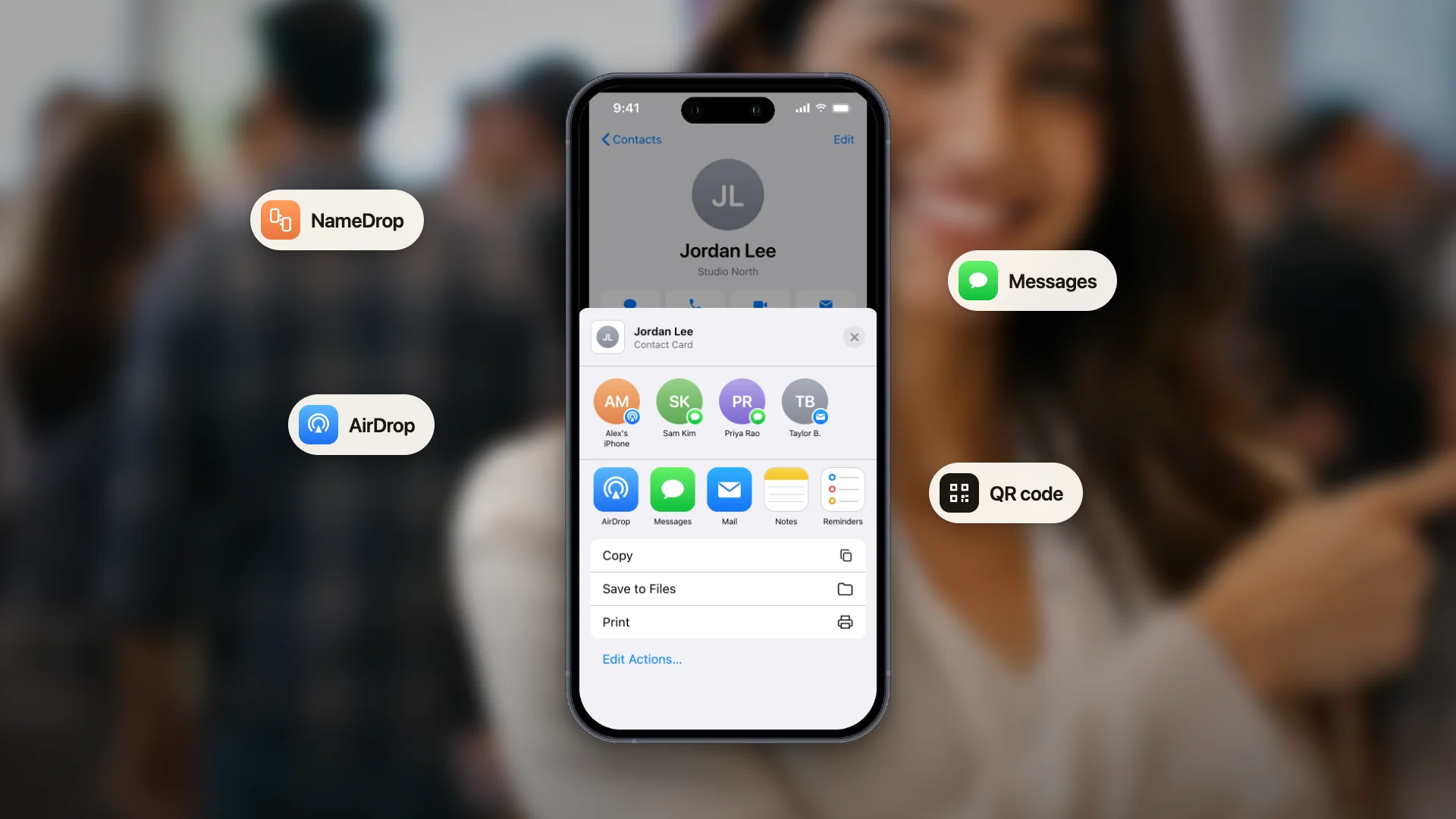
QR-коды
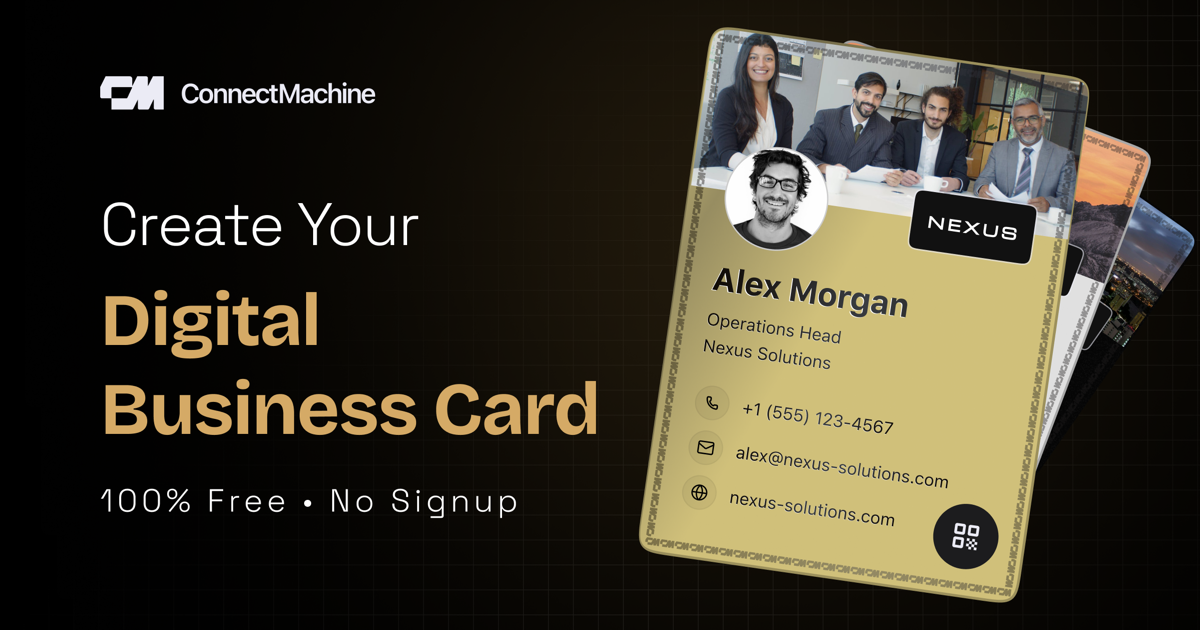
Универсальный ответ. Камера любого современного телефона считывает такой код, получателю не нужно никакое приложение, а данные сохраняются прямо в его контакты.
Ссылки на визитку
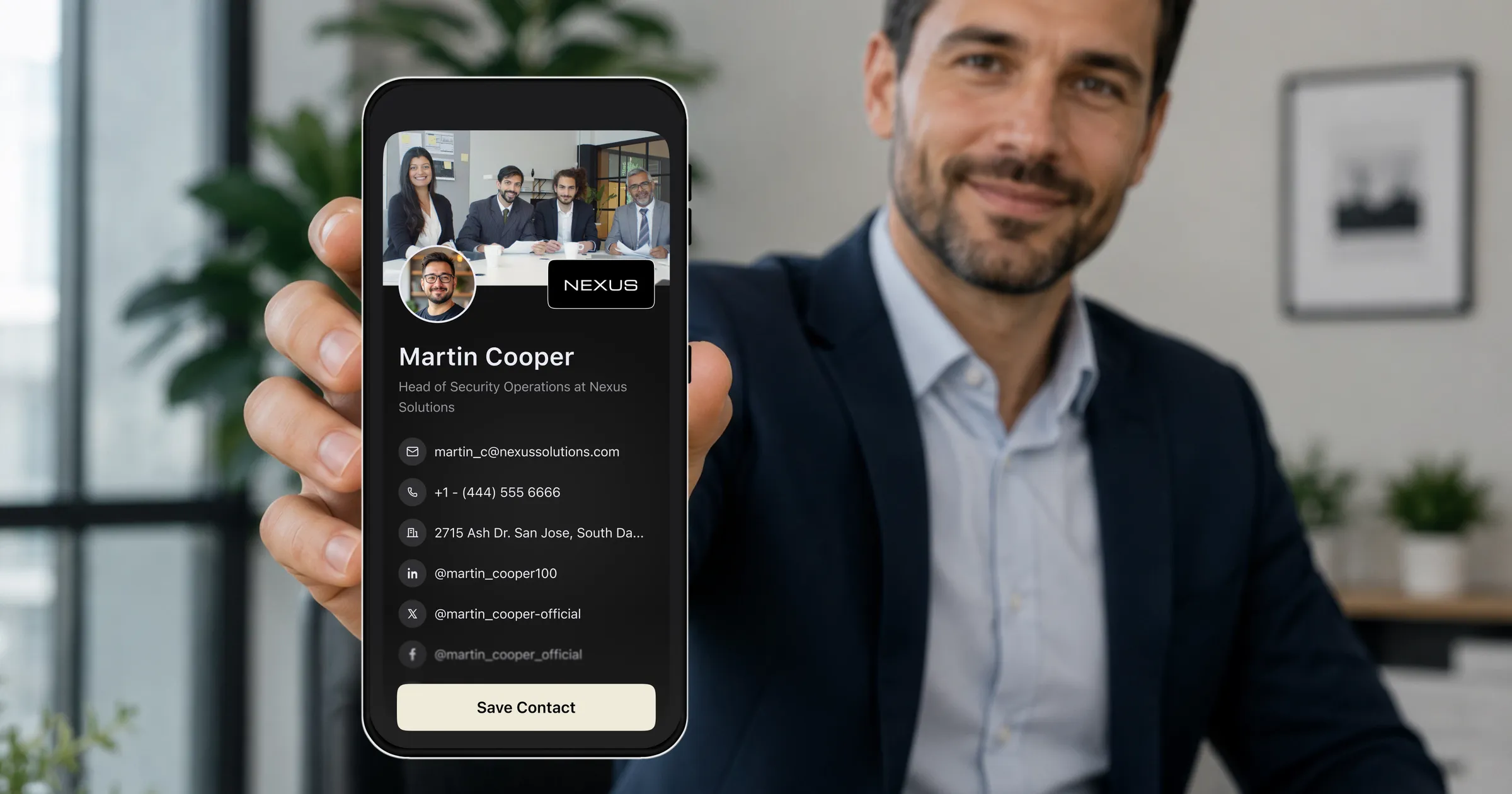
Цифровая визитка живёт по публичной ссылке, поэтому расходится по почте, WhatsApp, сообщениям в LinkedIn и чатам видеозвонков, то есть туда, куда бумага никогда не добиралась.
Карточки в Wallet
Визитка, сохранённая в Apple Wallet или Google Wallet, на мероприятии открывается одним движением, и это ровно то удобство, которое раньше давала стопка карточек в нагрудном кармане.
Общее у них одно: цифровой обмен закрывает роковой изъян бумаги, то есть то, что происходит после рукопожатия. Данные приходят уже сохранёнными, доступными для поиска и обновляющимися сами, а не выцветают в кармане пиджака.
Так что же носить с собой в 2026 году?
Большинству специалистов подойдёт цифровая визитка по умолчанию плюс небольшая стопка качественных бумажных карточек, если ваша отрасль или регион ждут формальностей. Такое сочетание закрывает любой зал, в который вы войдёте в этом году. А если вопрос возник из-за ящика, набитого бумажными визитками, оцифруйте уже накопленные карточки одной партией, вместо того чтобы вбивать их вручную.
- Создайте цифровую визитку со своими данными, фотографией и ссылками. Это занимает около трёх минут.
- Добавьте её в Wallet на телефоне, чтобы на мероприятии она была под рукой без поиска по приложениям.
- Разместите её публичную ссылку в подписи к письмам и в профиле LinkedIn, чтобы визитка работала и тогда, когда вас нет в зале.
- Если вы оставляете бумагу для формальных встреч, напечатайте на ней свой QR-код, чтобы даже бумага приводила к сохранённому контакту.