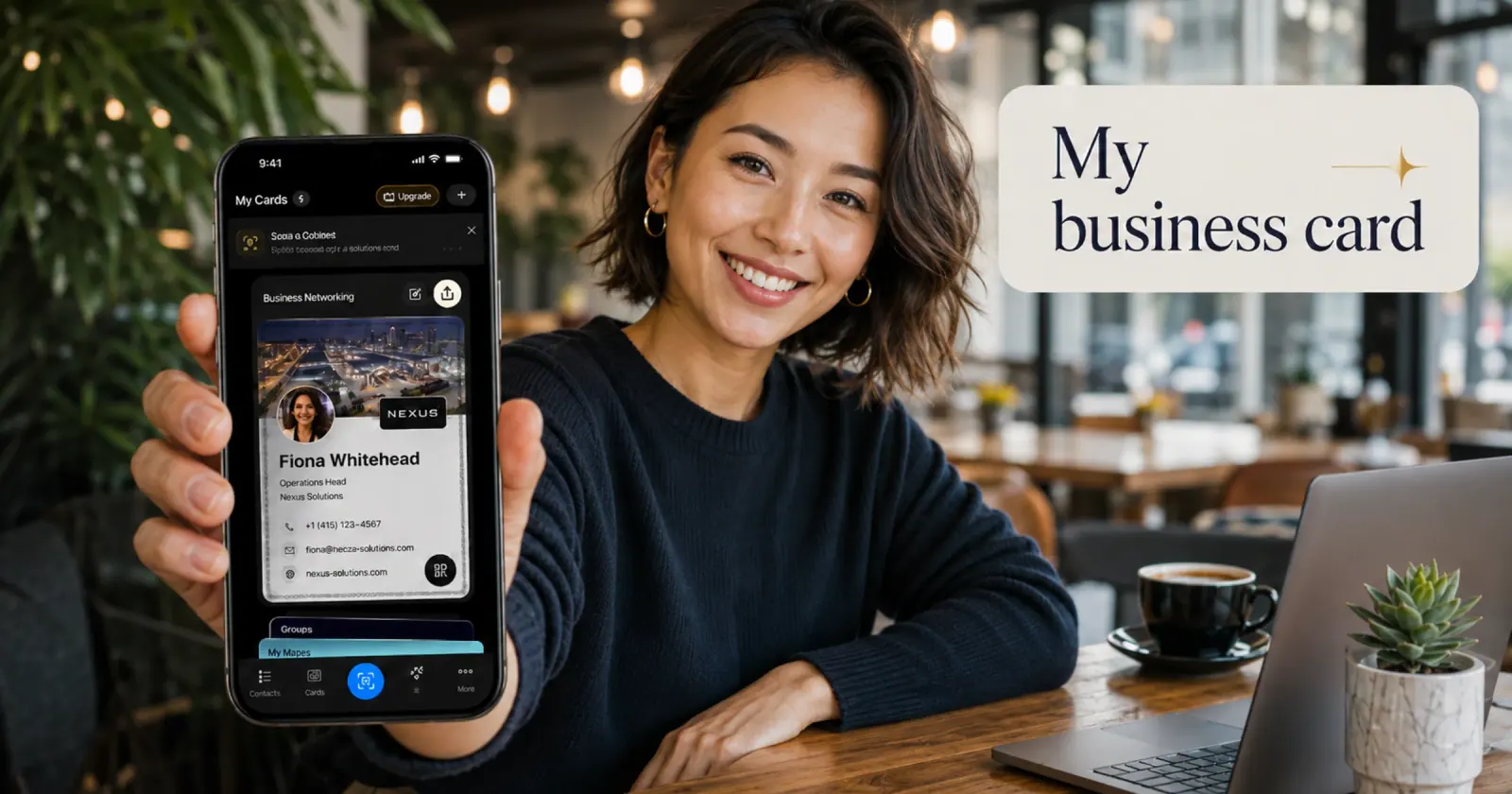
Un biglietto da visita di carta contiene circa sette informazioni, perché è tutto quello che ci sta. Un biglietto digitale non ha questo limite, così le persone lo riempiono: ogni profilo social, ogni link, ogni numero di telefono che hanno mai avuto. Il risultato è un biglietto che chiede a chi lo riceve di prendere decisioni, invece di rendergliene una facile.
Il vincolo utile non è lo spazio, è l'attenzione. Qualcuno guarda il tuo biglietto nei dieci secondi dopo averti conosciuto, e o salva i tuoi dati o non lo fa. Tutto ciò che c'è sul biglietto o aiuta a farlo accadere o si mette in mezzo.
Qui sotto: gli elementi irrinunciabili, quelli che si guadagnano il posto, cosa lasciare fuori e le aggiunte che contano per professioni specifiche.
I quattro elementi irrinunciabili
- 1
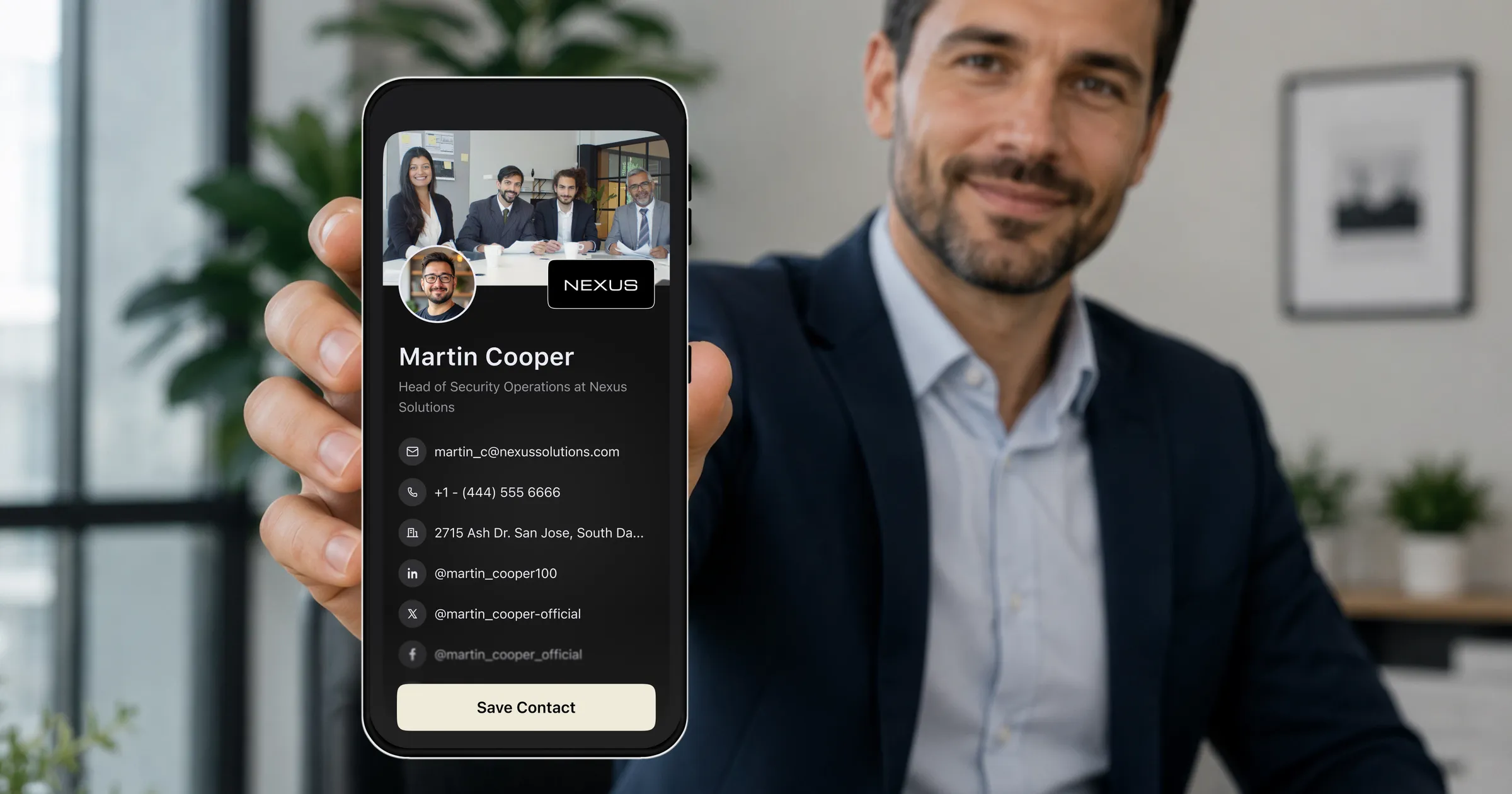
Il tuo nome, scritto come lo usi
Il nome con cui ti fai chiamare davvero, nella forma in cui le persone lo cercheranno poi. Se nelle conversazioni usi una versione abbreviata, usala anche qui, così il biglietto corrisponde alla persona che hanno incontrato.
- 2
Una qualifica che uno sconosciuto capisca
Di' cosa fai, non come ti chiama l'organigramma. «Alchimista della crescita» è una battuta che smette di far ridere quando qualcuno sta cercando di ricordare perché dovrebbe chiamarti.
- 3
Un metodo di contatto affidabile
Il canale su cui rispondi davvero. Uno che funziona vale più di tre che forse. Tutto il resto è secondario.
- 4
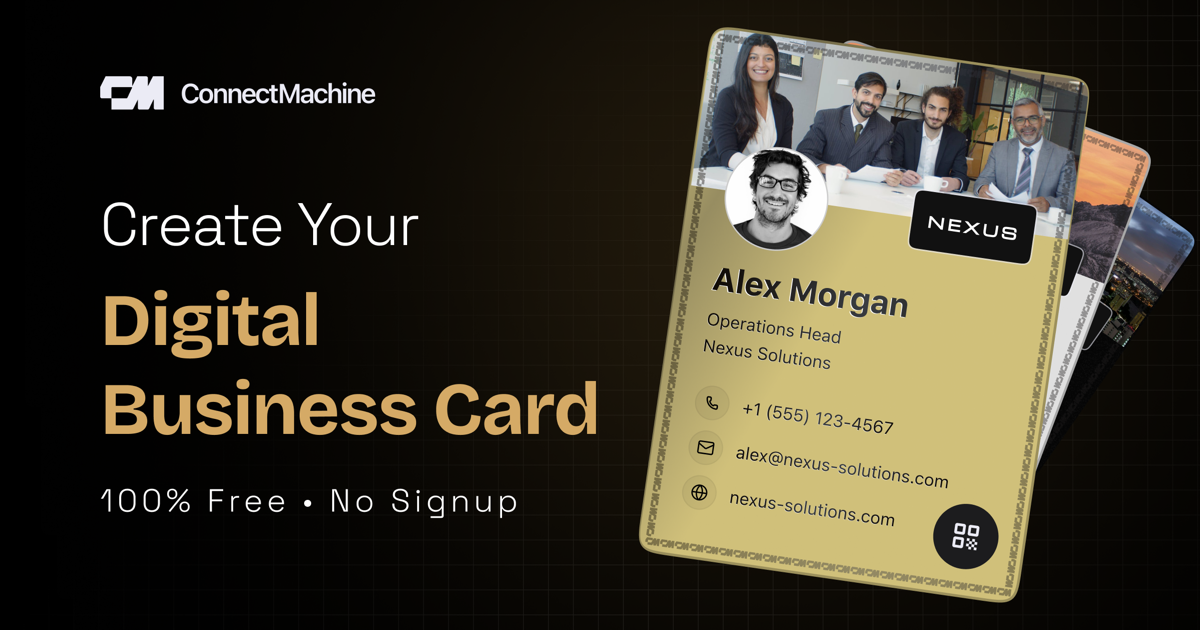
Una foto del tuo viso
L'elemento più sottovalutato. A un evento in cui una persona ne incontra venti, è il tuo viso a collegare il biglietto alla conversazione. Il logo di un'azienda non può farlo per un individuo.
Cosa si guadagna il posto
La tua azienda e il logo
Il contesto di chi rappresenti, e un segnale di fiducia se il marchio è noto nel tuo settore. Indispensabile se lavori a contatto con i clienti, opzionale se il marchio sei tu.
Un link principale
LinkedIn per la maggior parte dei professionisti, un portfolio per i creativi, una pagina di prenotazione per chi vende tempo. Il punto è che si capisca subito qual è il link principale.
Un link per fissare appuntamenti, se l'obiettivo sono gli incontri
Se il passo naturale dopo averti conosciuto è una chiamata, eliminare il rimpallo di messaggi vale più di qualsiasi altro elemento del biglietto.
Titoli professionali e dati di licenza
I biglietti ConnectMachine possono mostrare informazioni su licenze e titoli professionali. Nelle professioni regolamentate non è decorazione: è la cosa che un potenziale cliente controlla prima di chiamarti.
Un link alle recensioni, se il passaparola guida il tuo lavoro
I biglietti possono includere un pulsante che rimanda alla tua pagina di recensioni Google. Meglio usarlo su un biglietto inviato dopo un lavoro ben fatto, non come richiesta allegata a una prima presentazione.
Cosa lasciare fuori
- Tutti i profili social che possiedi. Un account personale su cui pubblichi foto delle vacanze non è un asset professionale, e includerlo rende più difficile trovare i link utili.
- Il tuo indirizzo di casa. Non esiste uno scenario di networking che lo richieda, e un biglietto è per sua natura una cosa che consegni a persone appena conosciute.
- Più numeri di telefono. Scegli quello a cui rispondi. Elencarne tre dice alle persone che sei difficile da raggiungere.
- Un numero di fax, o qualsiasi canale su cui ti darebbe fastidio ricevere davvero qualcosa.
- I link morti. Un portfolio che non aggiorni da tre anni è peggio di nessun portfolio, perché invita a giudicarti su lavori vecchi.
La scelta consapevole
Il tuo biglietto è pubblico per definizione
Un biglietto esiste per essere consegnato a persone appena conosciute e vive a un indirizzo pubblico. Metterci il tuo cellulare personale è una scelta legittima, ma deve essere una scelta e non un'impostazione predefinita.
Imposta il promemoria mentre la conversazione è ancora fresca.
Aggiunte che contano, professione per professione
Agenti immobiliari
Numero di licenza, le zone in cui operi e un link agli immobili disponibili. Gli acquirenti verificano le licenze, e la zona di competenza risponde alla prima domanda che ogni potenziale cliente si pone.
Sanità e professioni regolamentate
Titoli, dati di iscrizione all'albo e la clinica o lo studio di appartenenza. È infrastruttura di fiducia, non vanità.
Vendite e sviluppo commerciale
Un link per fissare appuntamenti prima di ogni altra cosa, più una riga breve su cosa aiuti davvero a risolvere, così il biglietto regge anche quando lo ritrovano tre settimane dopo.
Freelance e creativi
Prima il portfolio, poi la tua disciplina detta in modo chiaro. Tariffe e disponibilità sono conversazioni, non elementi di un biglietto.
Founder e consulenti
Una descrizione in una riga del problema che risolvi. Investitori e potenziali clienti incontrano decine di persone per evento, ed è quella riga che ripeteranno a un collega.
Perché un solo biglietto raramente basta
Il motivo per cui la maggior parte dei biglietti sembra un compromesso è che cercano di servire pubblici diversi nello stesso momento. Lo sconosciuto di una conferenza, il cliente storico e il recruiter vogliono cose diverse da te, e un biglietto solo può metterne in primo piano uno soltanto.
Un unico account ConnectMachine può contenere più biglietti, quindi la risposta pratica è smettere di scendere a compromessi. Crea un biglietto di lavoro, uno per gli eventi e uno per i clienti nel nostro creatore di biglietti da visita digitali, ognuno con in evidenza ciò che serve davvero a quel pubblico, e condividi quello adatto al momento.
La checklist finale
- Uno sconosciuto capirebbe la mia qualifica senza fare altre domande?
- È chiaro quale link voglio che apra per primo?
- Ogni metodo di contatto che ho messo qui arriva davvero a me?
- Ho scansionato il biglietto dal telefono di qualcun altro e l'ho letto come lo leggerebbe lui?
- C'è qualcosa qui che esiterei a consegnare a una sala di duecento persone?